‘Bolivian Rainbow’ chili pepper is a variety which can be grown for both its ornamental value and its small pretty-hot chilies. The fruits are small and conical and ripen through purple, yellow, orange and red as they mature. Plants are an ideal size for growing in pots on a windowsill, conservatory or anywhere that space is limited.
Start seeds as early as possible with supplementary heat and light if necessary.
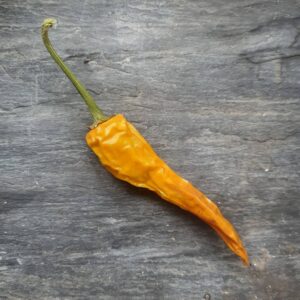
Yellow version of the well known cayenne pepper. Their thin walls make them ideal for drying but they are also great to use fresh. Plants grow to about 60cm tall and are unfussy. They produce an abundance of fruits. Take care when sowing as the capsaicinoid chemicals which give chillies their heat is abundant on the seeds.
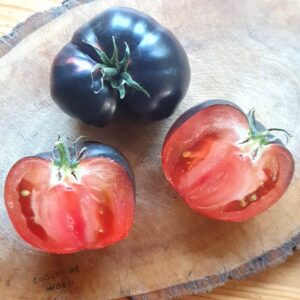
I got this variety from Les Refardes in Catalonia where it is noted as coming from California originally. It is a tall bush variety so needs some supporting. They are not the most productive but it is the blackest colouring I’ve seen on a tomato and the flesh is flavourful and meaty. The fruits hold their quality for a long time. I think it must be very high in anthocyanins and worth keeping going to have for breeding and curiosity.
‘Figiel’ is a bright orange cocktail cherry tomato from Poland. They are an indeterminate type and produce small round tomatoes with a diameter of 3cm and a weight of around 25g. They are noted as being resistant to cracking and I found this to be the case. Very tasty and good for adding colour to salads, eating directly or cooking with. Figiel means Joke in English.
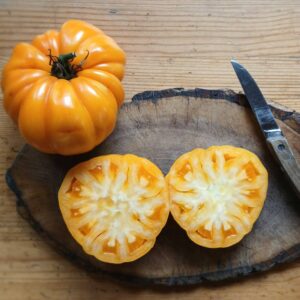
‘Summer Cider’ is an impressive beefsteak tomato producing large, slightly flattened fruits that ripen to a beautiful apricot-orange colour. The flesh is thick, juicy and creamy, with a rich, sweet flavour and fruity undertones.
The fruits typically weigh between 200 and 500g, although considerably larger specimens are possible. Their meaty texture and relatively few seeds make them particularly good for slicing into sandwiches, adding to salads or enjoying fresh with a little salt and olive oil.
Plants are vigorous and indeterminate, with distinctive potato-leaf foliage.
A well known variety, cayenne chillies can be used fresh or dried and crushed into a powder. Plants grow to about 60cm tall and are unfussy. They produce an abundance of fruits. Take care when sowing as the capsaicinoid chemicals which give chillies their heat is abundant on the seeds.
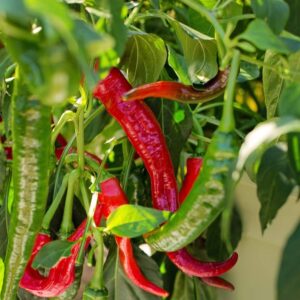
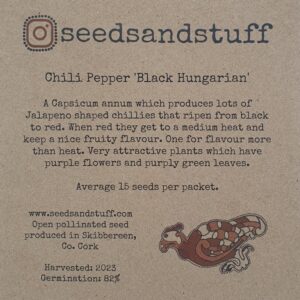
‘Hungarian Black’ chilli peppers (Capsicum annum) produce smallish bushy plants (50cm) which produce lots of Jalapeno shaped fruit. They ripen from black to red. When red they get to a medium heat and keep a nice fruity flavour. One for flavour more than heat, and a good size for when you want to use a whole chilli on a dish for visual effect without taking the face off anyone. Very attractive plants which have purple flowers and purply green leaves.
Average 15 seeds per packet.
Annoyingly, I forgot to take pictures of these but you can see how fancy they can be at the always visually stunning Baker Creek Seed Company catalogue.
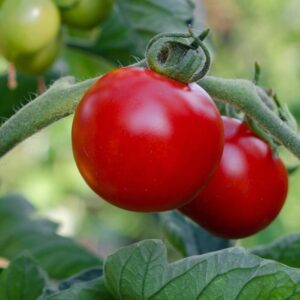
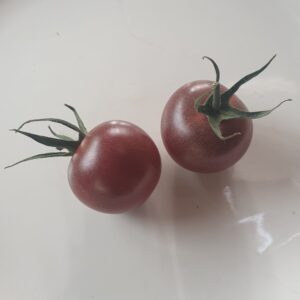
‘Black Cherry’ produce clusters of 25mm (1”) rich tasting tomatoes. They have black-mahogany skins which cover dark red sweet flesh. Vigorous indeterminate type which keeps going late into the season. Productive in open ground but it would be possible to grow it in a container and keep manners on it by pruning.
An heirloom cucumber (Cucumis sativus) from the US, also known as ‘A & C Pickling’ – presumably after the company who introduced it in 1928 , Abbot & Cobb of Philadelphia. A prolific producer of mostly straight fruits with dark green skins that hold their colour. Though a good choice for pickling, they are perfect for fresh use in salads, especially when picked a bit smaller.
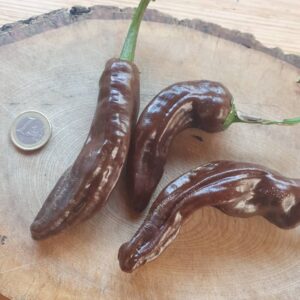
A variety native to Ethiopia and Eritrea. A descendant from chillies that were first brought to east Africa from South America by Portuguese explorers during the 15th century. Plants get to about 1m in height and produce a good amount of 10-15cm fruits. The chillies are medium hot and their relatively large size make them much easier to process than smaller chillies. They ripen from dark green to a chocolatey brown colour and become folded and wrinkled.
It is also known as the ‘Berbere’ pepper as it is commonly used to prepare the east African spice blend of that name. Very versatile chili which can be used for making sauces, cooking fresh, smoking, drying and making a powder from.
Take care when sowing as the capsaicinoid chemicals which give chillies their heat is abundant on the seeds.
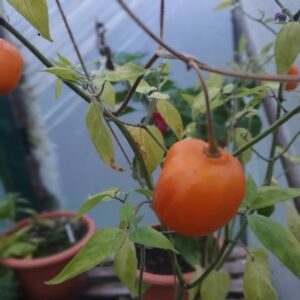
A Capsicum pubescens chili with medium large fairly hot orange coloured fruits. The latin name refers to the hairy leaves of this pepper and, along with the black seeds, is what marks them out from the other Capsicum species. This type of chili are also often referred to as ‘Bolivian Hairy’ or ‘Rocoto’ chilies. This one originates from Guatemala of course and I sourced the seed from a chili enthusiast in La Palma.
It can be used like any chili – fresh, made into a paste or dried. The flesh is thicker than other chilies and has a higher moisture content. They are quite juicy. I prefer to cook them fresh and use other chilies like cayenne for drying.
As Capsicum pubescens grows at higher elevations than other species it is relatively cold tolerant and hardier than other chilis. It still won’t survive frost but it is possible to overwinter them in Ireland if they are brought in and protected for the winter months.
Start seeds as early as possible with supplementary heat and light if necessary. The plants should have as much vegetative growth as possible before flowering and producing chilis. They can be grown in pots but large pots are needed to allow the plants to reach their full potential.
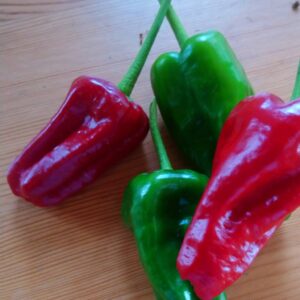
A traditional Spanish variety known as the ‘tapas chilli’ as that’s where they often end up. Padrón (Capsicum annuum) produce lots of medium sized chilis which can be picked young and green or let to ripen to red and hotter. Plants grow to about 70cm tall. They get laden with fruits and quite top heavy so need supporting or they will fall over. Take care when sowing as the capsaicinoid chemicals which give chillies their heat is abundant on the seeds.