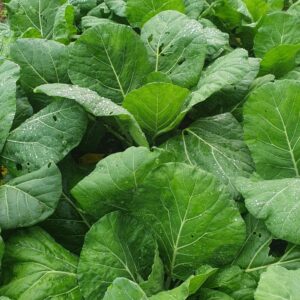
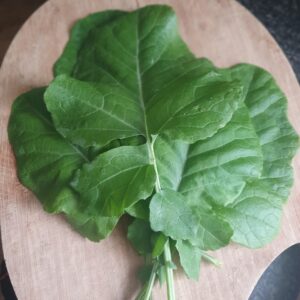
Collard greens belong to the loose-leaved group of Brassica oleracea, like kales, and have been grown since antiquity. Popular in the southern US, collards are known for their heat tolerance but they are also very winter hardy and light frost will sweeten the flavour. They can be sown from Spring until late Summer. Plants are biennial so a late sowing will overwinter and produces flowers and seed the following year.
I think of them as a way to have a steady supply of cabbagey leaves throughout the season without having to grow head forming cabbages. ‘Champion’ collards produce large dark blue-green leaves which are mild in flavour. The large leaves are ideal for making cabbage rolls.
The open growth habit make collards less susceptible to fungal diseases than head forming cabbages and also doesn’t create as much habitat for slugs and snails to make home in.
Average 150 seeds per packet.
10g is more than 2,500 seeds.
Select options
This product has multiple variants. The options may be chosen on the product page
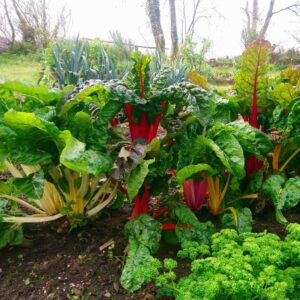
Chard is an easy to grow crop which is very winter hardy. With successional planting you can harvest chard at anytime of the year in an Irish garden. Rainbow chard is an attractive mix ranging from white through yellow, pink and rhubarb red. Eat small leaves raw in salads or cook larger leaves and stems.
Average 100 seeds per packet.
10g is enough seed for more than 500 plants
Select options
This product has multiple variants. The options may be chosen on the product page
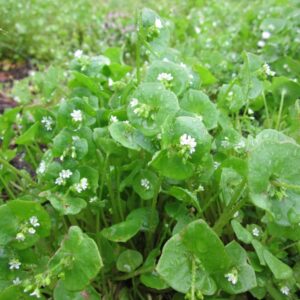
Winter Purslane (Claytonia perfoliata) is an easy to grow hardy salad crop. Also known as Miner’s Lettuce, its wild relative if found all along the North American Pacific coast. The leaves are succulent and mild in flavour. Eat raw in salads or used like spinach for cooking.
A must-have excellent winter leaf of mild flavour and incredibly succulent, soft and juicy texture. Winter purslane,
also known as miners lettuce or claytonia, has heart-shaped elegant looking leaves which are small, abundant and
make a great cut-and-come-again salad green. You will get a productive harvest all winter and early spring and if
left to self seed, it will just keep coming back year after year.
Average 2000 seeds (1g) per packet.
Select options
This product has multiple variants. The options may be chosen on the product page
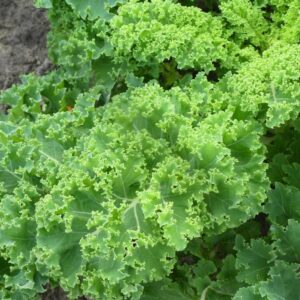
Kale ‘Dwarf Green Curled’ is recorded as a Scottish heirloom dating back to the 19th century. As the plants don’t get as large as other varieties they are ideal for smaller growing spaces or for closer planting and the harvesting of smaller leaves. Their short stature also makes them more suitable for exposed and windswept sites.
Average 150 seeds per packet.
Select options
This product has multiple variants. The options may be chosen on the product page
Originating from North Africa, Texsel greens (Brassica carinata) came about as a hybrid between black mustard (B. nigra) and B. oleracea. It is known by various other names such as Ethiopian mustard or garlic kale. An annual crop grown as a salad or cooking green – more delicate in flavour than other Brassica greens. Can be picked multiple times and the flowering stems cooked when it does start bolting. Successional sow for a steady supply.
Can also be grown as a green manure or cover crops as a similar way to mustard.
Average 200 seeds per packet.
10g is approximately 2,000 seeds.
Select options
This product has multiple variants. The options may be chosen on the product page
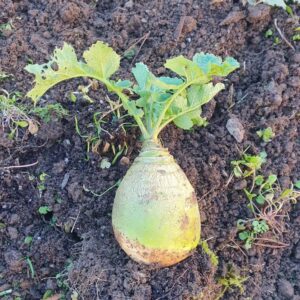
An heirloom swede variety (Brassica napus) that is reported to have a high resistance to clubroot disease. Roots are yellow with green tops. Flesh is firm and relatively dry with excellent storage properties. Cold resistant variety well suited to Irish conditions.
‘Chioggia’ is a traditional Italian beetroot with striking concentric rings of pink and white when cut. It is also known as ‘Candy Stripe’ and ‘Bull’s Eye’ beetroot. The flavour is milder and sweeter than most beetroot varieties and it does not have a strong earthy flavour.
They are particularly attractive thinly sliced and eaten raw in salads, where their unusual colouring can be fully appreciated. Cooking melds the colours a bit but they are still delicious roasted, steamed or pickled.